
How to Check Your Moles Using the ABCDE Method
How to Check Your Moles Using the ABCDE Method
posted: Mar. 04, 2026.
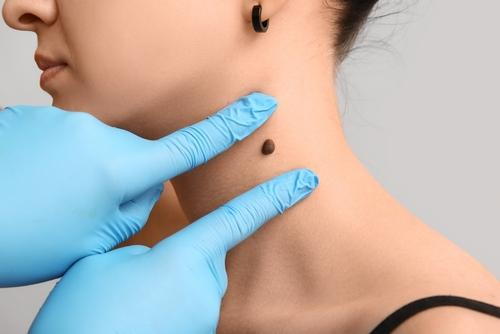
At The Dermatology Group, PA, with locations in Longwood, Mt. Dora, Orlando, and Winter Park, FL, monitoring your skin for changes is an important part of maintaining long-term skin health. Moles are common and usually harmless, but changes in their appearance can sometimes signal a concern. Learning how to evaluate your moles using the ABCDE method can help you recognize when it is time to seek professional care.
Why Regular Skin Checks Matter
Most people have moles, and many remain stable throughout life. However, certain changes in size, shape, or color may indicate abnormal cell growth. Performing regular skin checks at home allows you to become familiar with your skin and notice any new or evolving moles early.
Early detection plays a key role in identifying potential skin cancer, including melanoma, when it is most treatable. Paying attention to subtle changes can make a meaningful difference in long-term outcomes.
Understanding the ABCDE Method
The ABCDE method is a simple guide used to evaluate moles for warning signs that may require further examination. Each letter represents a feature to look for when examining your skin.
A stands for asymmetry. One half of the mole does not match the other in shape or appearance.
B stands for border. Edges that are irregular, blurred, or uneven may be a concern.
C stands for color. Multiple shades of brown, black, tan, red, or white within a single mole can indicate abnormal changes.
D stands for diameter. Moles larger than about six millimeters, roughly the size of a pencil eraser, should be evaluated.
E stands for evolving. Any mole that changes in size, shape, color, or sensation over time should be assessed by a dermatologist.
How to Perform a Skin Self-Exam
A thorough skin check should be done in a well-lit room using a full-length mirror and a hand mirror for hard-to-see areas. Examine your entire body, including the scalp, back, soles of the feet, and between the toes. It may be helpful to take photos to track changes over time.
Consistency is important. Checking your skin once a month can help you recognize what is normal for you and make it easier to spot new or changing moles.
When to See a Dermatologist
If you notice any of the ABCDE warning signs or observe a mole that looks different from others, it is important to schedule a professional evaluation. Itching, bleeding, or tenderness are also signs that should not be ignored.
Dermatologists at The Dermatology Group, PA, provide comprehensive skin evaluations and can determine whether a mole requires monitoring or further testing. Early assessment helps ensure accurate diagnosis and appropriate care.
Mole Evaluation in Longwood, Mt. Dora, Orlando, and Winter Park, FL
At The Dermatology Group, PA, patients receive thorough skin exams and personalized guidance to support long-term skin health. Routine checks and early evaluation of suspicious moles help protect against more serious concerns.
If you have questions about a mole or would like a professional skin check, call our Longwood office at (407) 332-8080, Mt. Dora at (352) 383-0733, Orlando at (407) 898-3033, or Winter Park at (407) 645-2737 to schedule an appointment.