
What to Expect Before, During, and After Mohs Surgery
What to Expect Before, During, and After Mohs Surgery
posted: May 07, 2025.
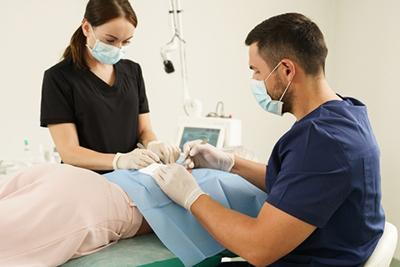
Mohs surgery is one of the most precise and effective treatments for certain types of skin cancer, including basal cell carcinoma and squamous cell carcinoma. It allows for the removal of cancerous cells layer by layer while preserving as much healthy skin as possible. At The Dermatology Group, with locations in Longwood, Mount Dora, Orlando, and Winter Park, FL, our experienced providers guide you through every step of the Mohs procedure for the best possible outcome.
Before Your Procedure
Your physician will give you personalized advice before your Mohs surgery. Please list all your medications, including blood thinners and supplements, as these may need to be adjusted to minimize the risk of bleeding. On the day of the procedure, avoid applying anything to the treatment area and wear loose, comfortable clothing. Since the process can take several hours, we also recommend organizing a ride home and leaving the remainder of your day available for relaxation.
What Happens During Mohs Surgery
Mohs surgery is performed under local anesthesia, so you’ll be awake but won’t feel discomfort in the treatment area. The surgeon begins by removing the visible tumor and a thin layer of surrounding skin. That layer is then examined under a microscope to check for remaining cancer cells.
If cancer cells are found at the edges of the tissue, the surgeon removes another thin layer. This process is repeated until all of the cancer cells have been removed. You may experience waiting periods between removals as the tissue is checked; most patients bring a book or something to do.
Once the area is clear, your provider will determine the best method for closing the wound. Smaller areas may be closed with stitches, while larger wounds might require a skin graft or be left to heal naturally, depending on what’s best for your recovery and cosmetic outcome.
Recovery and Aftercare
You will be instructed precisely on how to care for your surgical site, including how to clean it, when to change bandages, and what ointments to use. Mild pain, redness, or swelling is common and can be treated with over-the-counter medications.
A follow-up appointment will be scheduled to monitor healing, remove stitches if necessary, and ensure the site is recovering properly. Your provider will also discuss long-term skin health strategies, such as daily sunscreen use, sun protection, and self-exams to catch any future concerns early.
Trust the Skin Cancer Experts
At The Dermatology Group, our skilled providers offer expert care and support throughout your skin cancer treatment journey. With offices in Longwood, Mount Dora, Orlando, and Winter Park, FL, we’re here to provide you with compassionate care and advanced treatment options, including Mohs surgery.
For questions or to schedule your consultation, call:
- Longwood: (407) 332-8080
- Mount Dora: (352) 383-0733
- Orlando: (407) 898-3033
- Winter Park: (407) 645-2737
Take control of your skin health today. We’re here to help.